
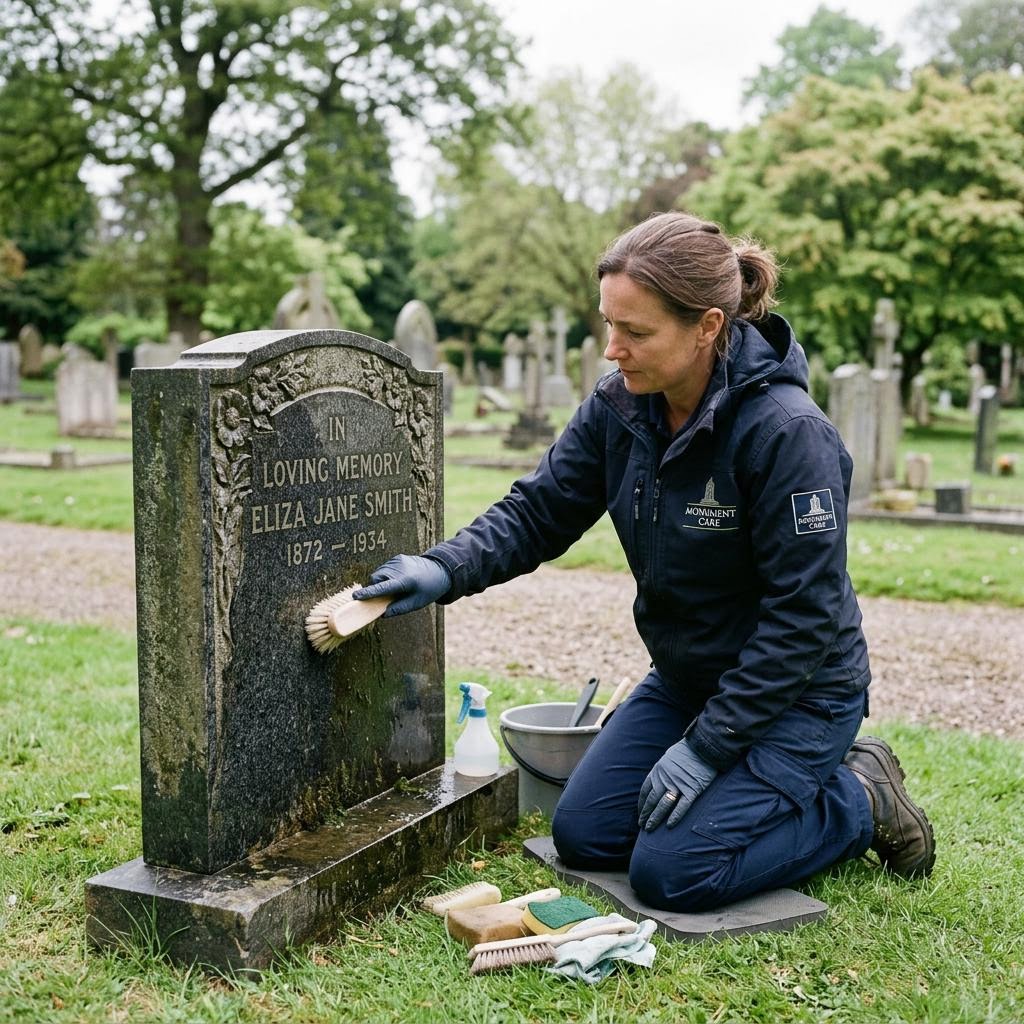
Cemetery Restoration
Cemetery restoration addresses whole burial grounds rather than single graves: condition surveys, mapping, resetting and repairing many stones, vegetation management, and preservation planning. It is typically commissioned by municipalities, churches, friends-of-cemetery groups, and historical societies, and is guided by preservation standards so the work protects rather than erases the site's history.
Find Pros for Cemetery RestorationHow It Works
A survey documents every marker's condition and maps the grounds.
A prioritized plan addresses safety hazards first, then stabilization, then cosmetic work.
Stones are cleaned, reset, and repaired in phases, often with volunteer training included.
A maintenance plan keeps the cemetery in good condition going forward.
When is this needed?
- A historic cemetery has dozens of leaning, fallen, or buried stones.
- A church or township has inherited responsibility for a neglected burial ground.
- A community group wants professional guidance before starting volunteer workdays.
Important Considerations
State laws protect cemeteries and human burials — permits or permissions are often required.
Preservation standards (such as those used by the NCPTT) should guide methods.
Phased, funded plans succeed more often than one-time cleanup pushes.
Frequently Asked Questions
Need Cemetery Restoration?
Ready to find a professional?
Connect with local experts who specialize in cemetery restoration in your area.
Search Local Pros